Feral Hog Hunting Near Dallas-Fort Worth
Feral hogs are one of the few game animals in Texas you can hunt every day of the year, and North Texas has plenty of them. They root up pastures in Kaufman County, tear through corn in Ellis County and move up and down the Trinity River bottoms almost into Dallas itself. For landowners they are an expensive pest, and for hunters they are an open door to year-round hunting within an hour of the city. This guide covers the rules, where to hunt, and the gear that works, as of September 2026.
How Texas classifies feral hogs
Feral hogs are not game animals in Texas and are not protected. The season never closes, and no bag limit applies. On private land they can be taken at any time and by any lawful means with the landowner's consent. Hogs are a problem for crops, livestock ponds, ground-nesting birds and deer habitat, which is why state agencies and landowners encourage their removal.
Do you need a hunting license
A 2019 state law, Senate Bill 317, removed the hunting license requirement for anyone hunting feral hogs on private property with the landowner's permission, whether that hunter is a Texas resident or not. That makes it easy for a landowner to invite a friend from Dallas out for a night of hog control.
The exemption applies only to private land. On public hunting land you need a valid Texas hunting license and the permit the area requires, usually the Annual Public Hunting Permit. And if you might take any other animal on the same trip, such as a deer during the season, you need the normal license and tags for that animal. Hunter education certification is required for hunters born on or after September 2, 1971, with a deferral option for some adults.
Landowner permission is not optional
Hunting on private land without consent is trespass, and Texas takes it seriously. Get clear permission from the landowner or their agent, preferably in writing, that covers the dates, the methods you will use, and whether night hunting is allowed. Game wardens can ask you to show proof. Many North Texas landowners also want to know what you will do with the carcass.
Night hunting and methods
Because hogs are most active after dark, much North Texas hog hunting happens at night over feeders, crops or water. Texas allows night hunting of feral hogs on private land with landowner consent, and lights, thermal and night vision optics are widely used. Before you shoot at night, check county rules and any discharge rules for land near towns, and be sure of your target and what lies beyond it. Suppressors are legal to own through the federal NFA process and legal to hunt with in Texas, which many landowners appreciate for night work near livestock and homes.
Aerial hunting of hogs from helicopters requires a special TPWD permit and landowner authorization, and trapping and snaring have their own rules. Live hogs cannot simply be hauled around the state; the Texas Animal Health Commission regulates movement of live feral swine, so check its current rules before transporting any live animal.
Public land near DFW
Most hog hunting in North Texas takes place on private land, but some public options exist within a reasonable drive:
- Caddo National Grasslands WMA in Fannin County, managed with the Forest Service and open to public hunting under TPWD permits. Hogs use the woods and creeks there.
- LBJ National Grasslands WMA in Wise County, near Decatur, also in the TPWD public hunting program.
- Richland Creek WMA on the Navarro and Freestone county line, where the bottomland draws hogs.
- Army Corps of Engineers lake lands at several North Texas lakes, which open designated areas to hunting under Corps rules and state licenses.
Each area sets its own rules on seasons, weapons, hours and whether hogs may be taken outside other seasons, so read the TPWD Annual Public Hunting map booklet and any area rules before you go.
Cartridges and rifles that work
Hogs are tough, with thick shoulders and a heavy gristle plate. Shot placement matters more than raw power, but you need a bullet that holds together. Common North Texas choices include:
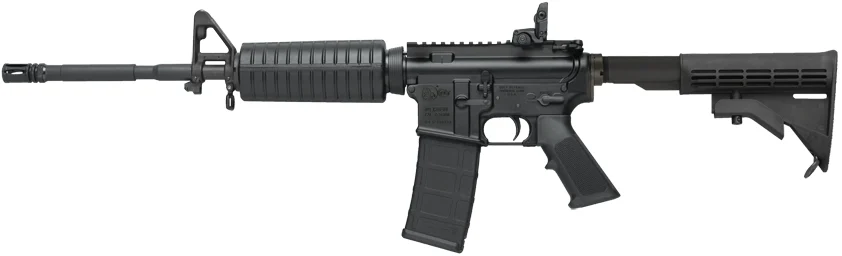
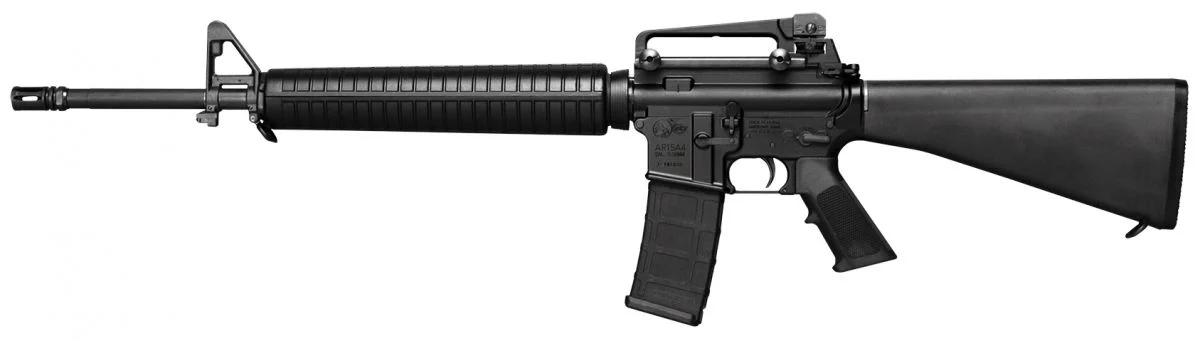
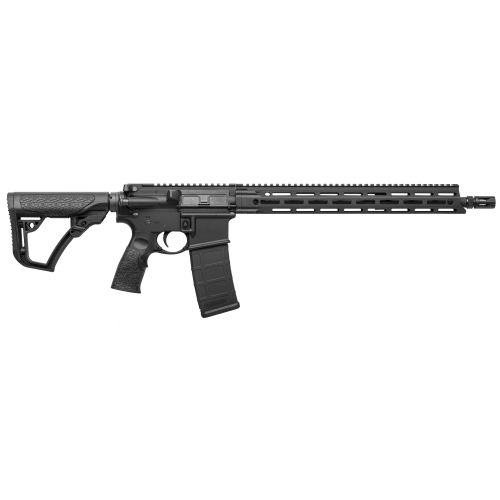
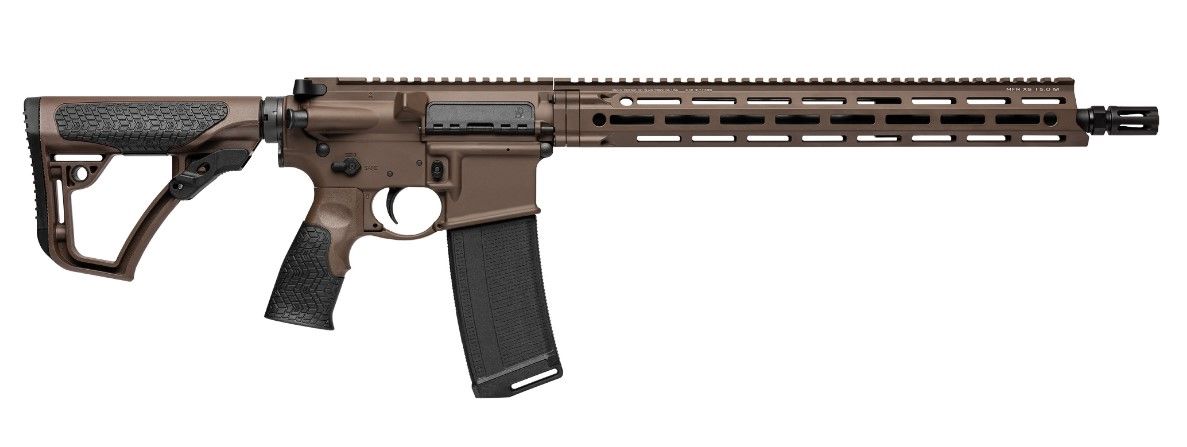
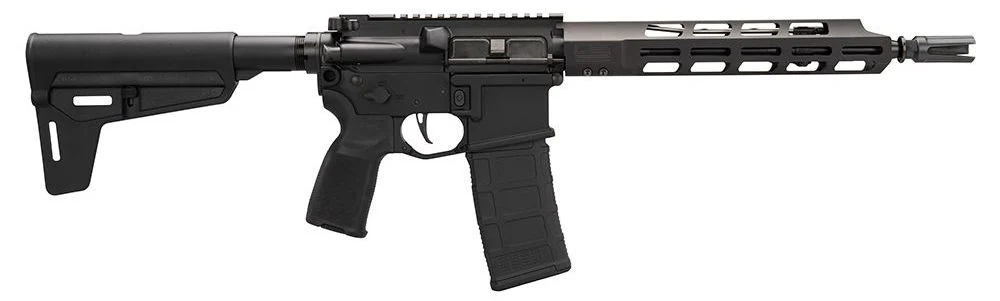
- AR-15 in 5.56 NATO or .223 Remington with bonded or solid copper bullets, good for fast follow-up shots at a group of hogs.
- AR-15 in .300 Blackout, which works well suppressed and at short night-hunting distances.
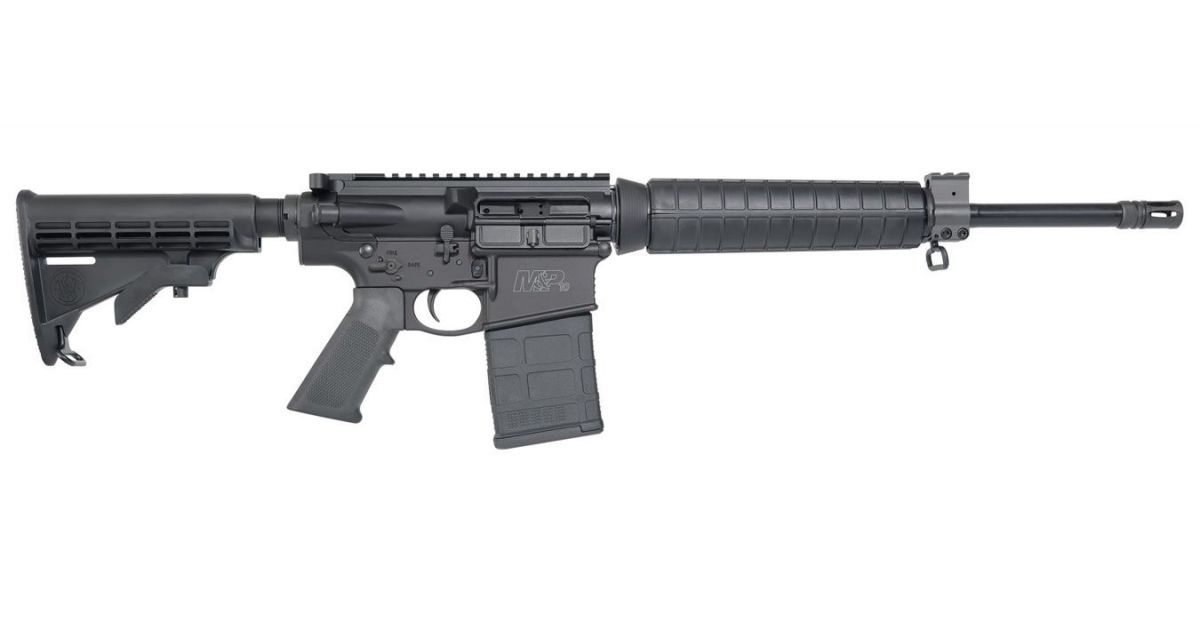
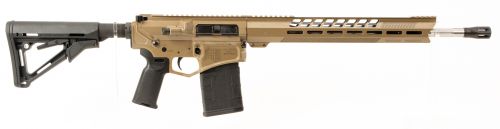
- .308 Winchester or 6.5 Creedmoor bolt actions or AR-10 style rifles, for longer shots across pasture and for big boars.
- Shotguns with slugs or buckshot in thick brush and for close work.
- Handguns in 10mm or .44 Magnum for close-range backup when you walk into brush after a hog.
Rimfire rounds are a poor choice for hogs of any size. Aim for the head, neck or just behind the ear on a broadside animal, or tight behind the shoulder for a heart and lung shot. You can find rifles, ammunition, lights and optics in our online shop.
Optics and lights
A red dot or low-power variable optic suits an AR used at night over a feeder, paired with a weapon light or a scope-mounted green or red light. Thermal scopes have become common among serious hog hunters because they let you see through heat instead of light. Keep in mind that the rest of the rules still apply, including landowner consent and safe backstops.
Safety and handling the meat
Wounded hogs can charge, and big boars have sharp tusks, so approach downed animals carefully and from behind. Wear gloves when cleaning hogs, since they can carry diseases such as swine brucellosis that can pass to people. Cook pork from wild hogs thoroughly. Many North Texas hunters give meat to friends or processors, and young sows make good table fare.
Buying your hog rifle
A rifle ordered online ships to a dealer near you, where you complete Form 4473 and a background check. Adults 18 and older can buy rifles from a dealer. See our guide to buying a gun online in Dallas for the steps, and our Dallas gun laws guide for transport and carry rules on the drive out. If you plan to hunt deer on the same land, read our North Texas deer season guide too.
Before every trip
- Confirm landowner permission covers the dates, methods and times you plan to hunt.
- Carry a hunting license if you are on public land or might take anything besides hogs.
- Check county rules, public area rules and any burn bans that limit activity.
- Sight in your rifle and light before the hunt, and know your backstop.
- Plan how you will handle, cool and clean the carcass.
Rules can change with each legislative session and TPWD rulemaking. Check the current TPWD Outdoor Annual and the Texas Animal Health Commission before you head out. Hunting notes for each county we cover are on our North Texas city pages.
General information, not legal advice. Current as of September 2026. Laws change; check the official source before you act.